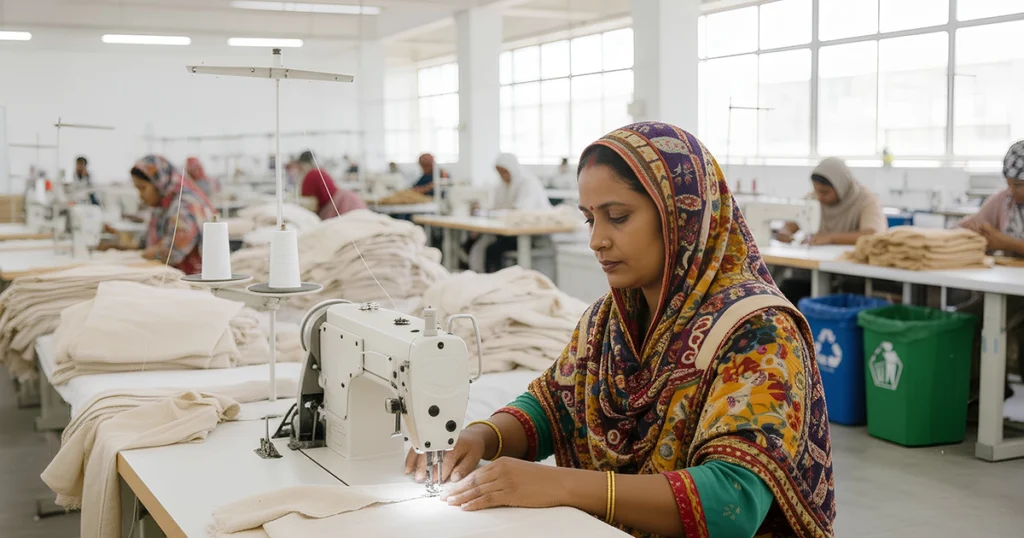
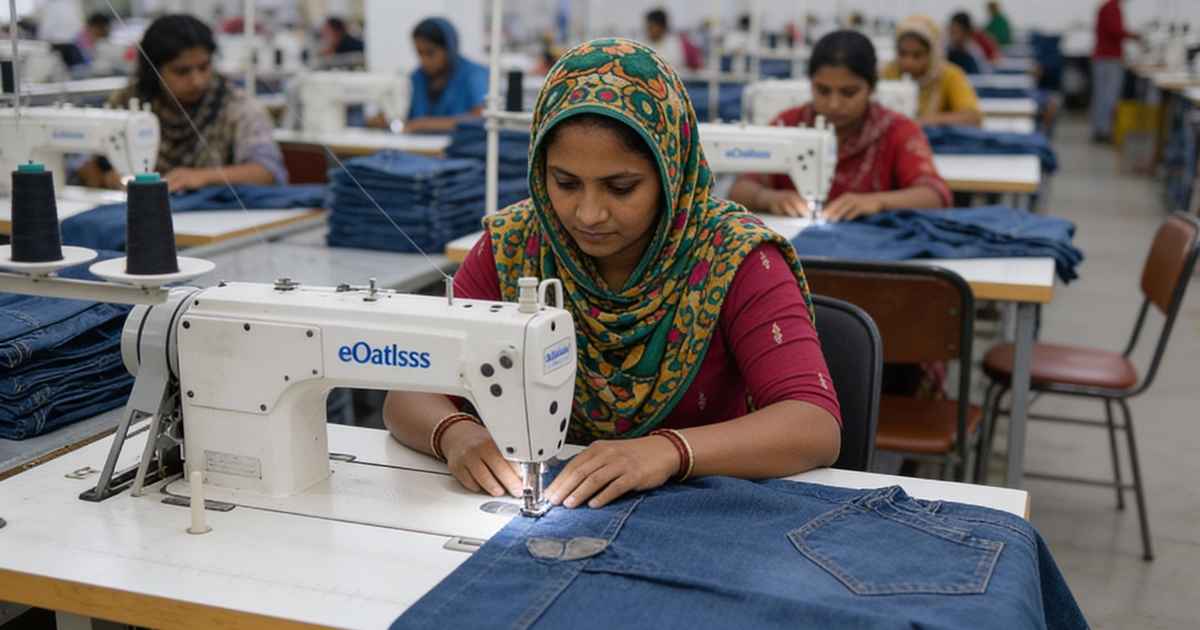
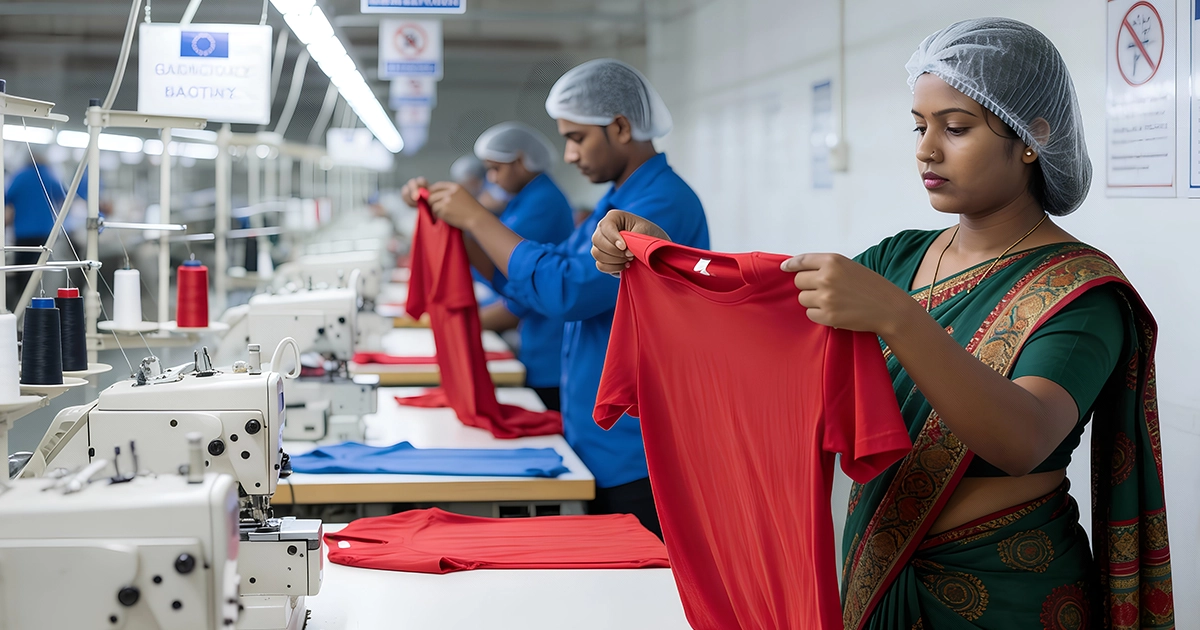
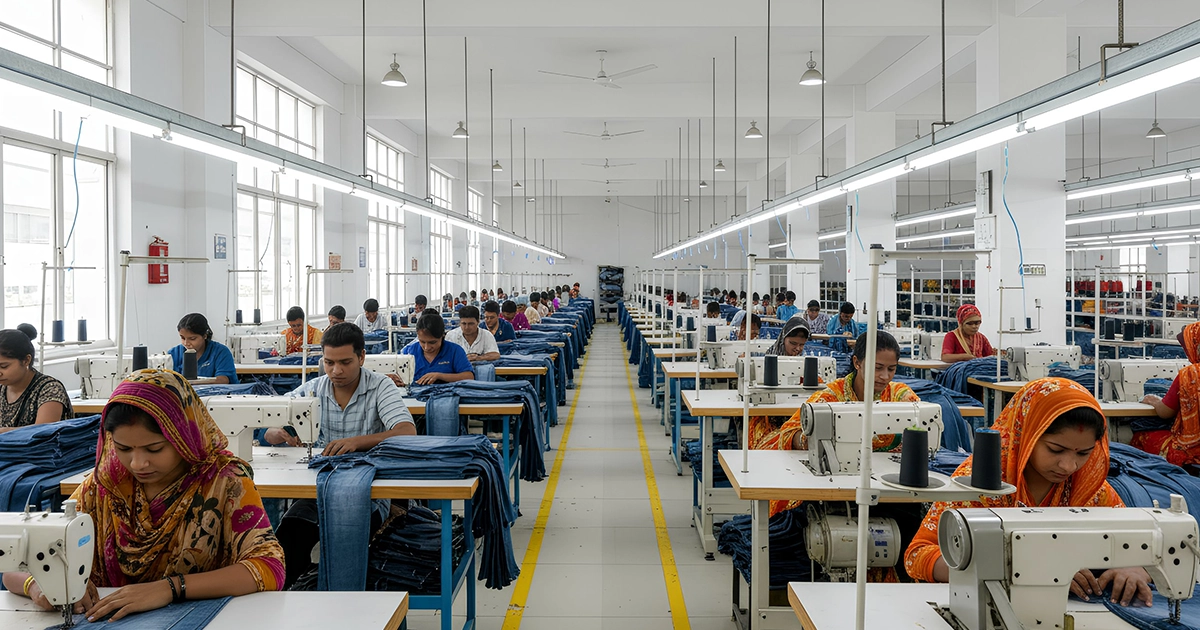
Sustainability has become one of the most discussed topics in the textile industry, yet also one of the most misunderstood. For European fashion brands, environmental responsibility is no longer a positioning choice, but a structural requirement driven by regulations, consumers and supply-chain accountability.
Producing in Asia adds another layer of complexity. Distance, fragmented supplier networks and limited visibility can turn sustainability commitments into abstract promises rather than measurable actions. The challenge is not declaring sustainable values, but ensuring they are applied consistently throughout the production process.
Understanding what sustainability truly means in modern textile manufacturing requires moving beyond labels and certifications, and focusing instead on processes, controls and verifiable practices implemented on the ground.
Environmental Responsibility as a Production Process
Sustainability in textile manufacturing starts with how production processes are designed and managed. This includes water usage in dyeing and finishing, chemical management, energy consumption and waste handling.
Factories operating under sustainable frameworks apply controlled water cycles, energy-efficient machinery and strict chemical protocols aligned with international standards such as MRSL and ZDHC. These measures reduce environmental impact while improving operational efficiency.
Chemical Management and Traceability
Chemical safety remains one of the most critical aspects of sustainable garment production. Improper chemical handling not only damages the environment but also exposes brands to regulatory and reputational risks.
Effective sustainability models require full traceability of chemical inputs, approved supplier lists, safety data sheets and continuous monitoring throughout the production cycle.
Waste Reduction and Resource Optimization
Textile waste is one of the industry’s most significant environmental challenges. Sustainable manufacturing focuses on minimizing waste at every stage, from cutting efficiency to packaging optimization.
These practices not only reduce environmental impact but also improve cost efficiency and resource utilization.
Local Oversight and Verification
Sustainability cannot be verified remotely. On-site monitoring and continuous verification are essential to ensure that environmental standards are respected consistently.
Local teams validate documentation, monitor factory practices and ensure transparency between brands and production facilities.
Conclusion
In today’s textile industry, sustainability is defined by execution, not intention. For European fashion brands producing in Asia, real sustainability depends on structured processes, local oversight and measurable controls.
When environmental responsibility is embedded into production systems, it becomes a driver of efficiency, risk reduction and long-term resilience rather than a marketing claim.