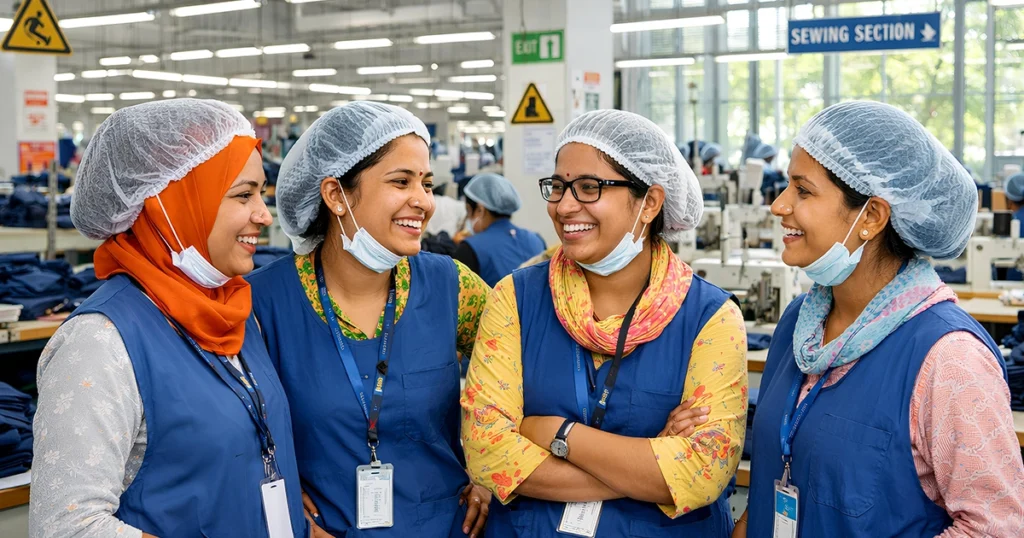
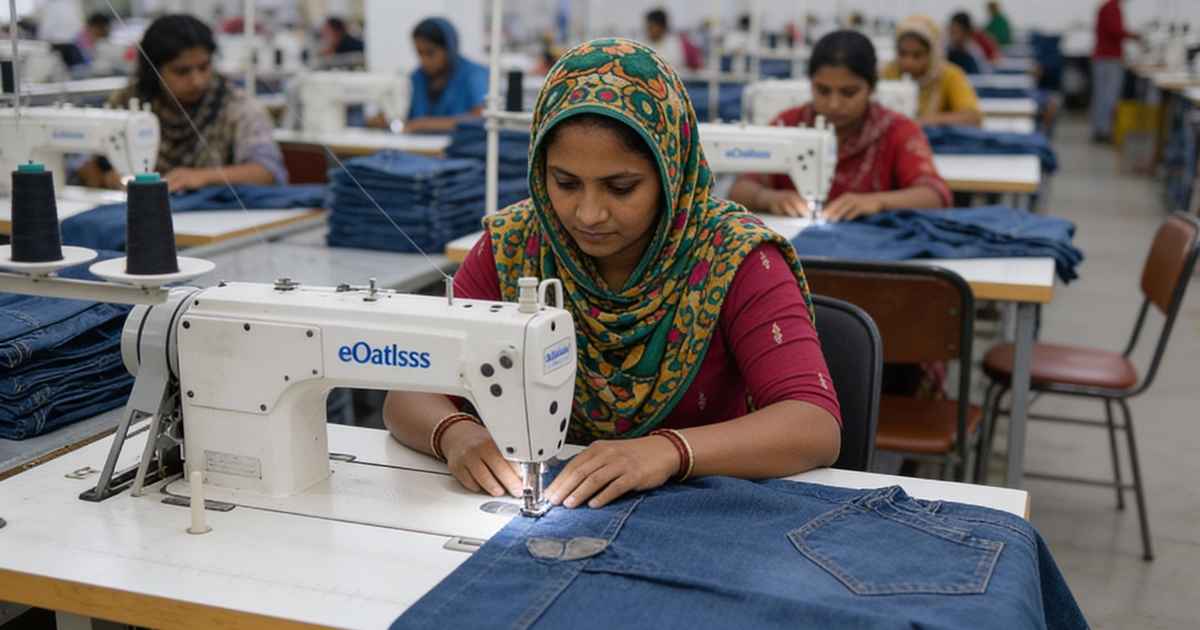
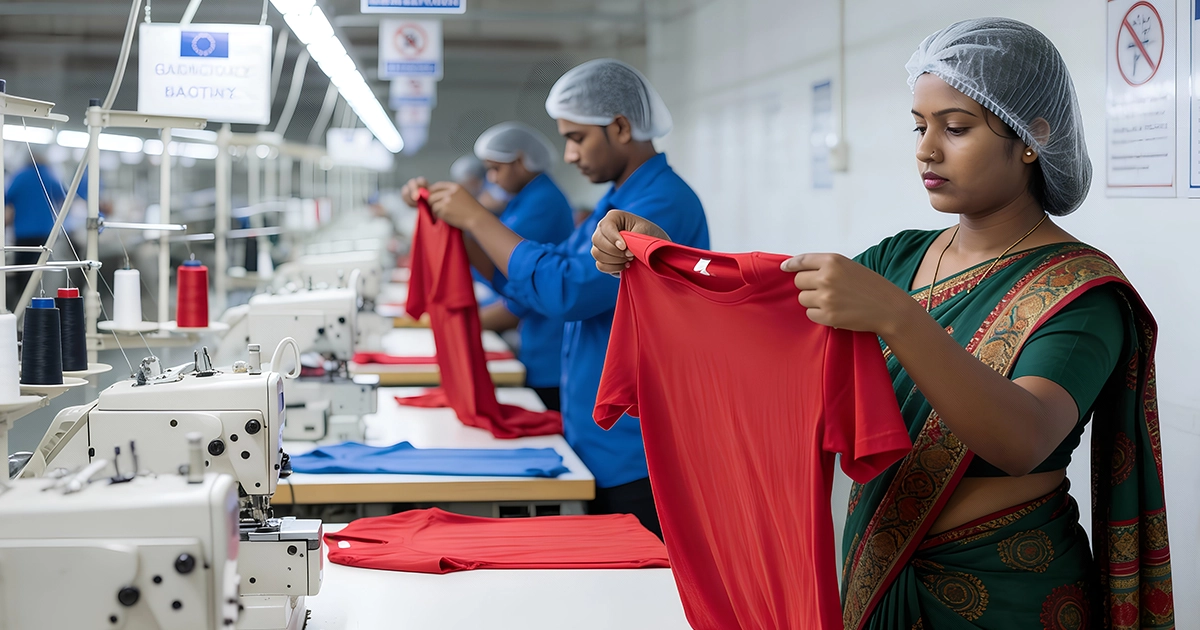
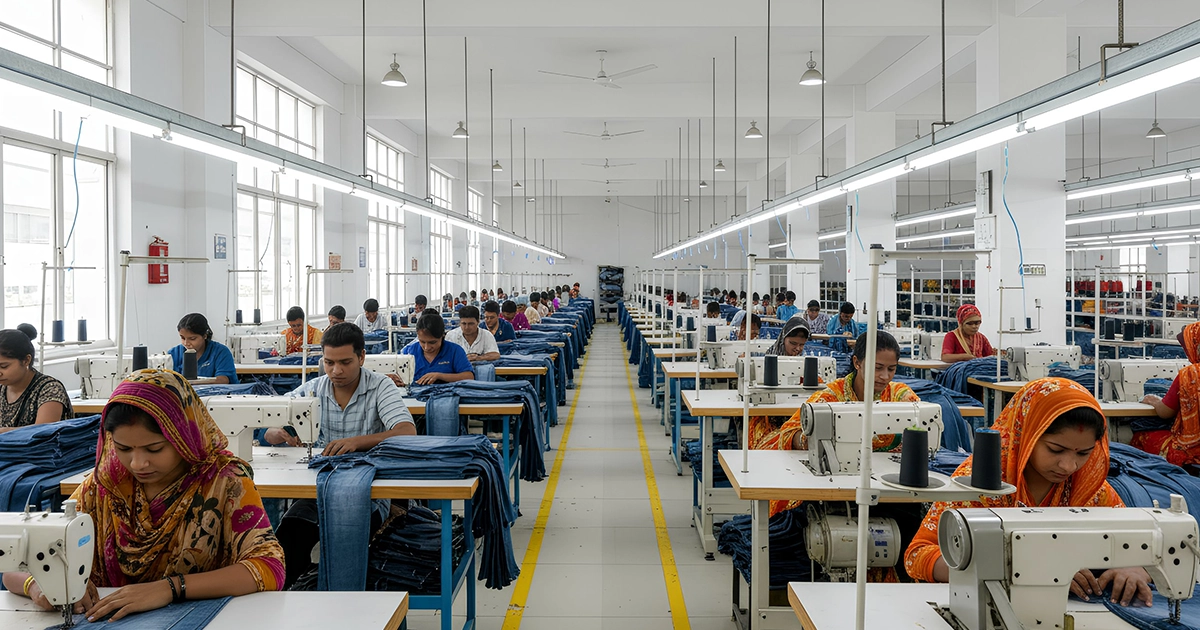
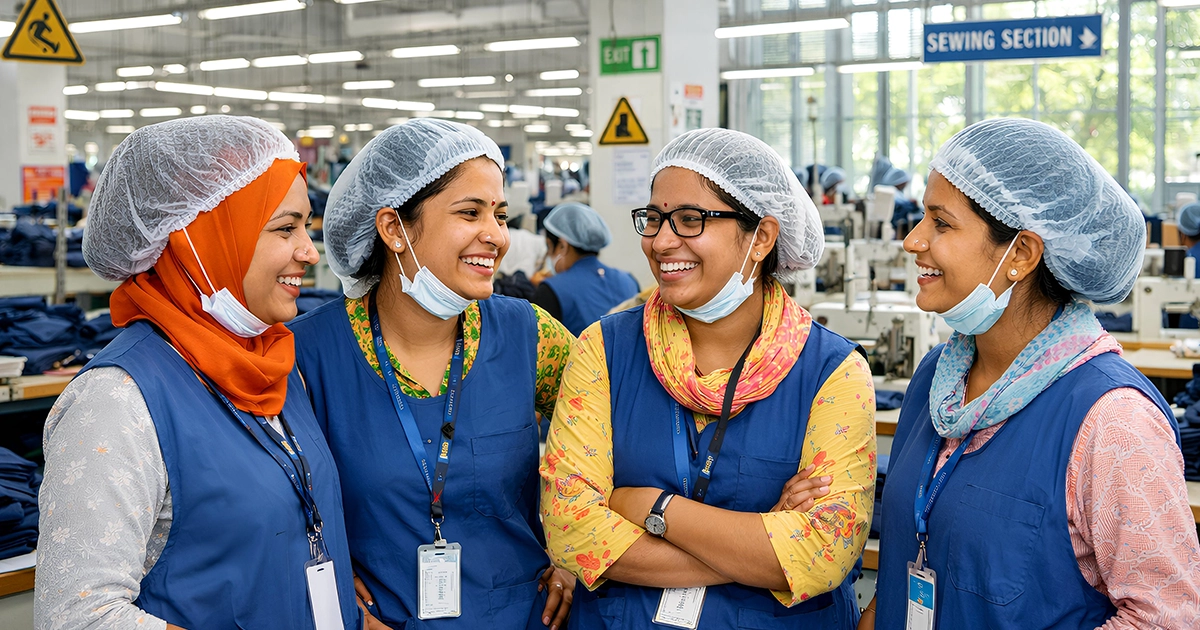
Behind every garment produced, there is a human system that sustains quality, efficiency and continuity. In the apparel industry, workforce conditions are not only a social responsibility issue, but a structural factor that directly impacts production reliability, compliance and brand reputation.
For European fashion brands producing in Asia, distance often reduces visibility into working conditions, safety standards and daily factory operations. This lack of transparency increases operational risk and exposes brands to reputational and regulatory consequences.
Understanding the human side of apparel manufacturing means recognizing that worker safety, training and responsibility are not isolated ethical topics, but essential components of a stable and controlled production model.
Worker Safety as a Production Requirement
Worker safety is a foundational requirement in modern garment manufacturing. Unsafe environments lead to production disruptions, quality inconsistencies and compliance violations.
Factories operating under responsible frameworks implement fire safety systems, emergency protocols, ergonomic workstations and regular safety training. These measures protect workers while ensuring uninterrupted production flow.
Fair Labor Practices and Compliance
Labor compliance is a continuous process that extends beyond legal minimums. Responsible manufacturing requires regulated working hours, fair wages, transparent contracts and respect for labor rights.
European brands face increasing scrutiny regarding labor conditions across their supply chains. Ensuring compliance requires structured monitoring, documentation verification and ongoing assessment of factory practices.
Training, Skills and Production Quality
Skilled workers are directly linked to product quality and efficiency. Training programs improve workmanship, reduce error rates and increase production consistency.
Factories that invest in continuous skill development experience lower defect levels, better adherence to technical specifications and improved production timelines.
Local Oversight and Accountability
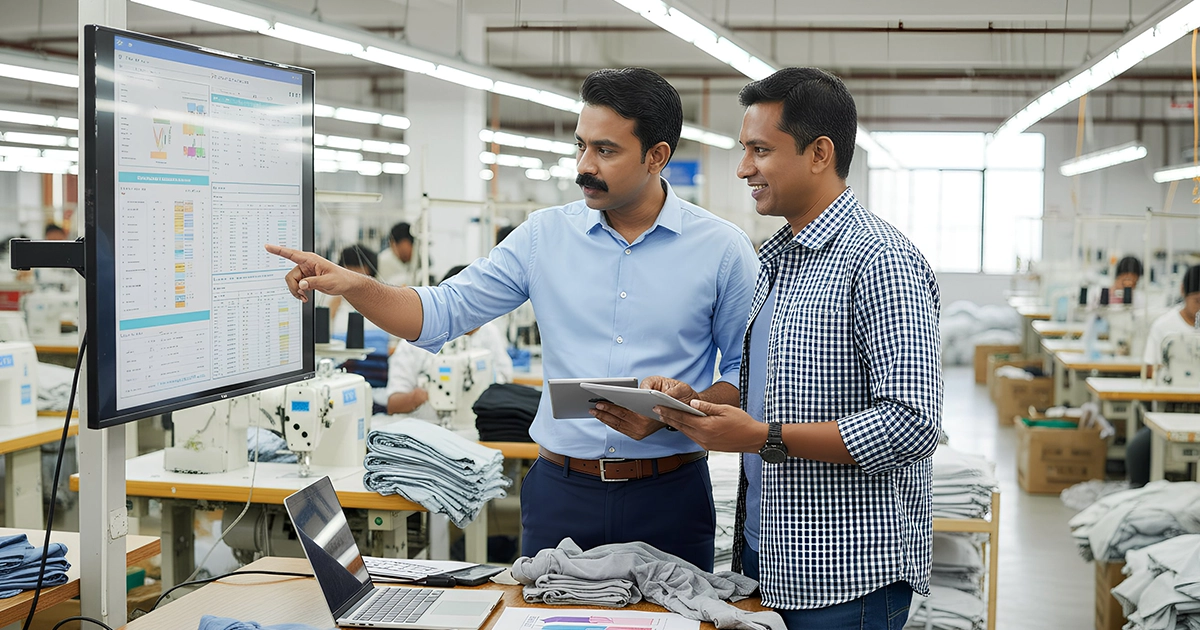
Worker safety and labor responsibility cannot be managed remotely. On-site supervision allows real-time assessment of working conditions, immediate intervention and transparent reporting.
Local teams verify compliance documentation, conduct safety audits and ensure corrective actions are implemented when required.
Conclusion
In apparel manufacturing, people are not a secondary consideration—they are the foundation of production stability and quality. For European fashion brands producing in Asia, responsible labor practices are inseparable from operational control and risk management.
When worker safety, fair labor conditions and training are embedded into production systems, they enhance reliability, consistency and long-term resilience.