In garment manufacturing, quality control is often misunderstood as a final inspection step. In reality, quality is the result of a continuous system of controls applied throughout the entire production process. For European fashion brands producing in Asia, quality control is a primary risk-management tool.
Distance, production scale and tight timelines increase the probability of inconsistencies if quality is not managed structurally. Defects detected at the end of production are costly, disruptive and often impossible to correct without delays.
Effective quality control focuses on prevention, consistency and process discipline rather than correction.
Quality Control as a Continuous Process
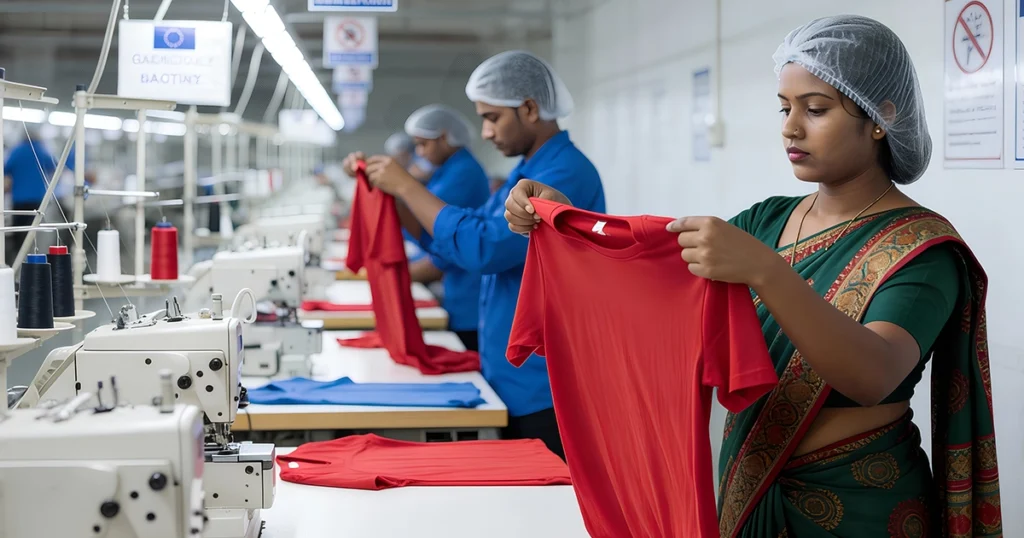
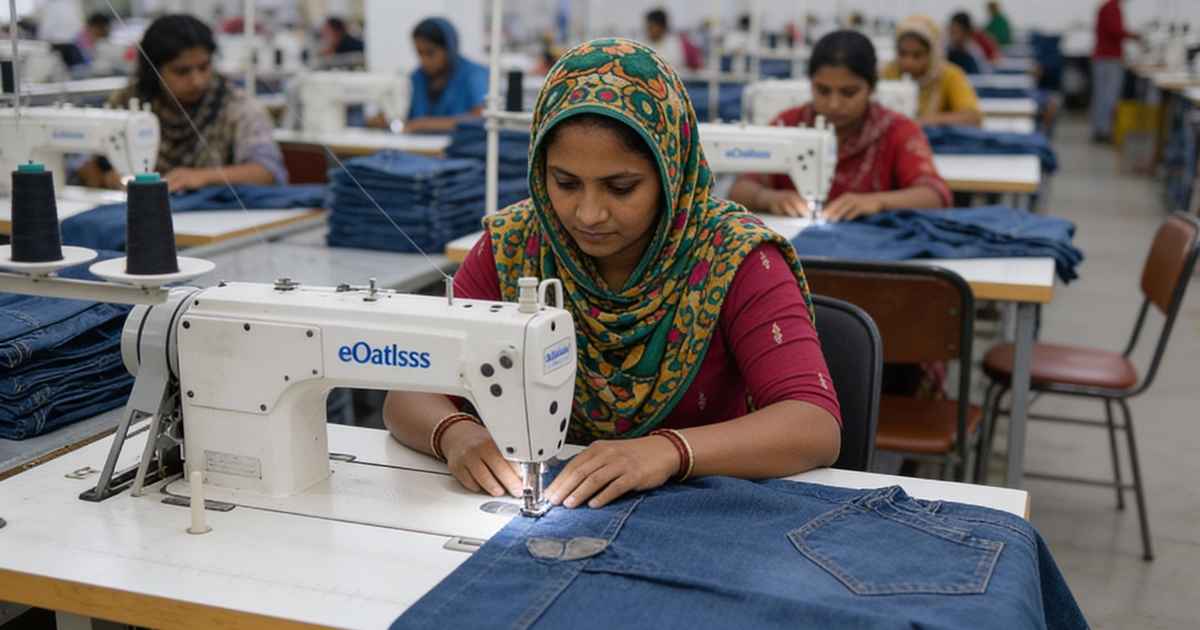
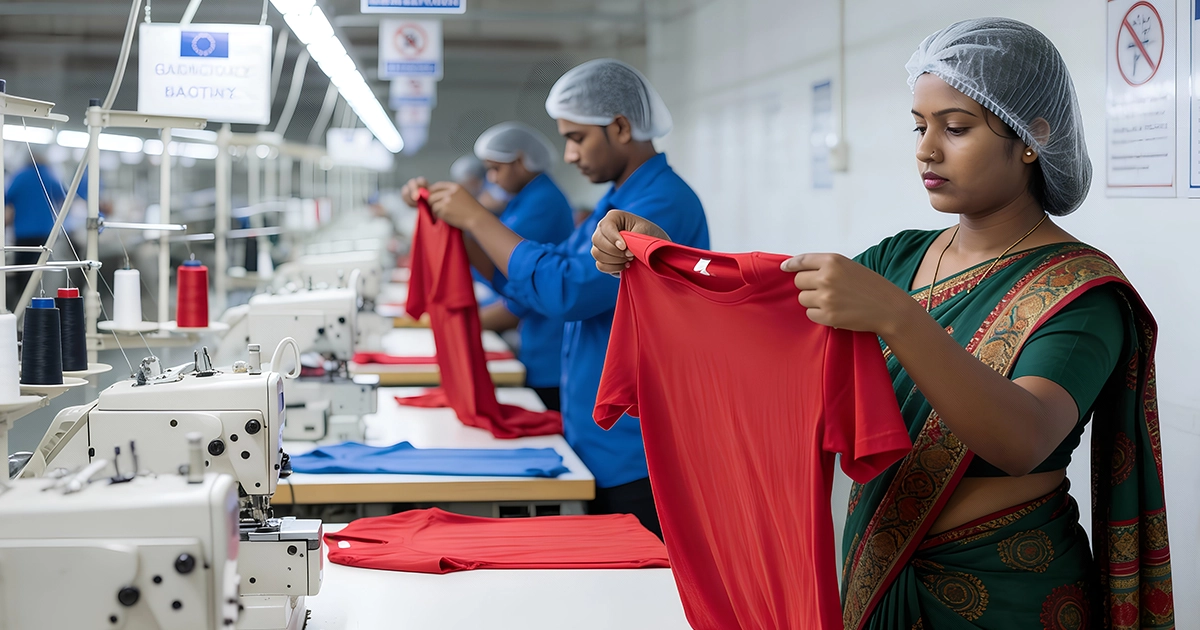
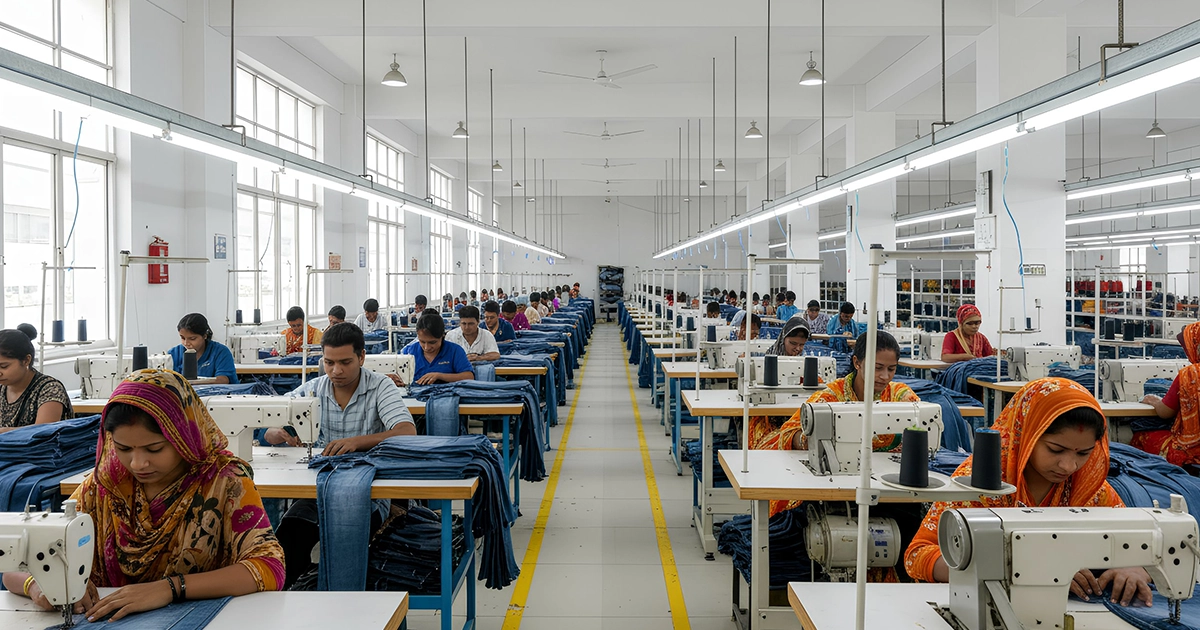
Modern garment manufacturing applies quality control at multiple stages: incoming materials, cutting, sewing, finishing and packing.
Inline inspections allow early identification of defects, preventing error propagation across production lines. This approach significantly reduces rework and rejection rates.
Defining Clear Quality Standards
Quality control begins with clear and measurable standards. Specifications for measurements, construction, tolerances and finishing must be defined and communicated unambiguously.
Without shared standards, inspections become subjective and inconsistent, increasing variability in output.
In-Factory Inspections and Reporting
On-site inspections provide real-time visibility into production conditions and workmanship. Inspectors verify adherence to approved samples, check measurements and monitor process stability.
Structured reporting systems document findings, corrective actions and progress, enabling transparent communication with brand teams.
Final Inspection and Shipment Approval
Final inspections validate that finished goods meet agreed specifications before shipment. This step confirms consistency across production batches.
However, final inspection alone cannot guarantee quality if earlier stages are uncontrolled. It is the last validation, not the primary safeguard.
Reducing Risk Through Local Supervision
Quality risks increase when production is managed remotely. Local supervision enables immediate intervention, faster decision-making and consistent enforcement of standards.
By maintaining continuous oversight, brands reduce variability, improve predictability and protect product integrity.
Conclusion
Quality control in garment manufacturing is not an isolated function—it is a system. For European fashion brands producing in Asia, structured quality control reduces operational risk, stabilizes production and ensures consistent results.
When quality is embedded into every production stage, brands gain confidence, reliability and long-term manufacturing resilience.