Garment production does not begin on the factory floor. It starts much earlier, during the development phase, where design intent is translated into technical reality. For European fashion brands, this stage is critical: mistakes made during development often multiply during bulk production.
Producing in Asia amplifies this risk. Distance, communication gaps and differences in interpretation can turn an approved design into an inconsistent final product. The challenge is not creativity, but execution.
Understanding how garment development truly works—from prototype to production—helps brands reduce errors, control costs and ensure that what is designed is exactly what gets produced.
Translating Design into Technical Specifications
The development process begins with technical documentation. Tech packs define measurements, materials, construction methods and finishing details.
Accurate translation of these specifications is essential. Any ambiguity at this stage can lead to misinterpretation during sampling and production.
Prototyping and Sampling
Prototypes are the first physical validation of a design. They test fit, construction and feasibility.
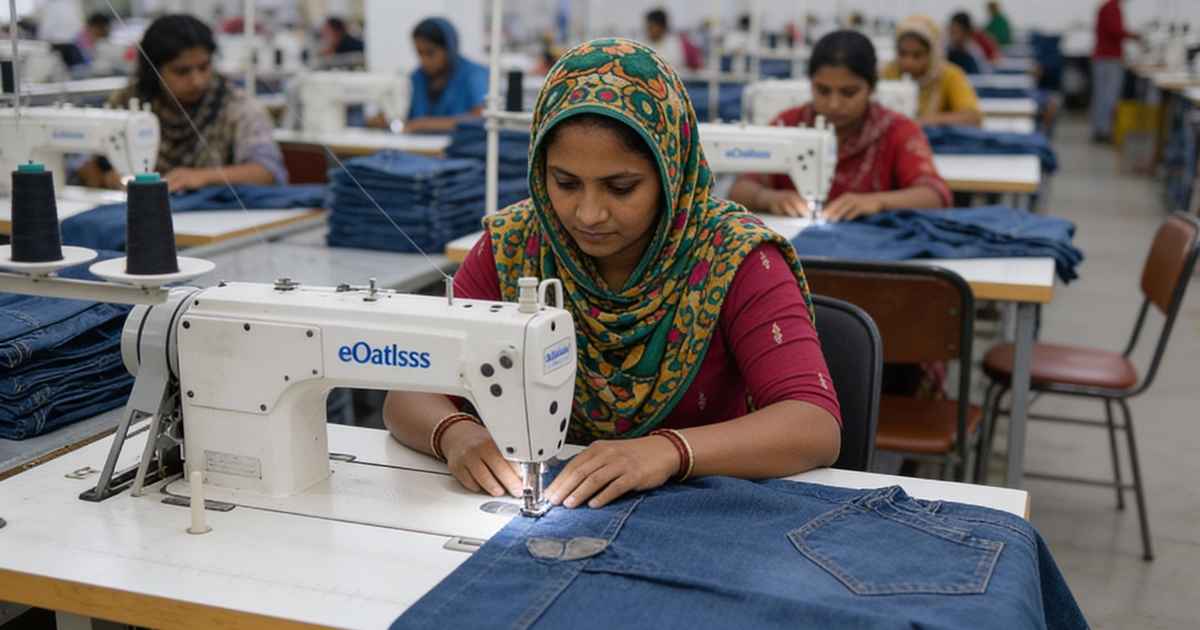
Sampling allows brands to assess materials, workmanship and compliance before committing to bulk production. Multiple iterations are often required to refine details and resolve issues.
Pre-Production Validation
Before bulk production begins, pre-production samples confirm that approved designs can be replicated consistently at scale.
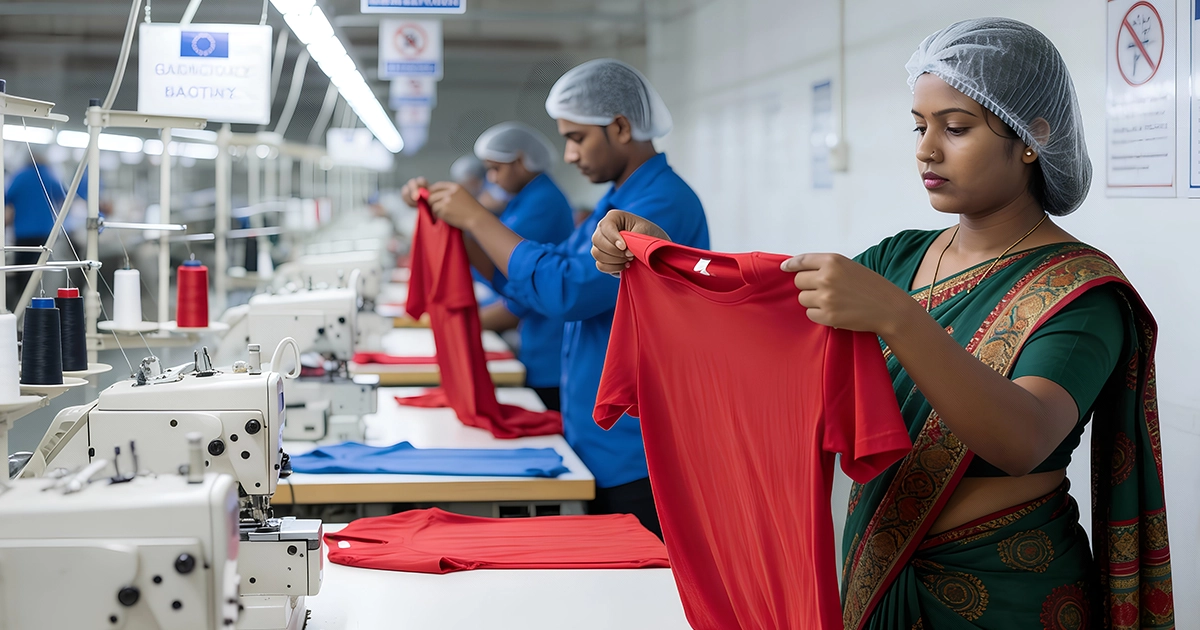
This stage verifies sizing, materials, trims and construction under real production conditions. Pre-production validation reduces the risk of defects during bulk manufacturing.
Scaling from Sample to Bulk Production
Scaling is one of the most sensitive phases of garment development. What works in a single sample must be repeatable thousands of times.
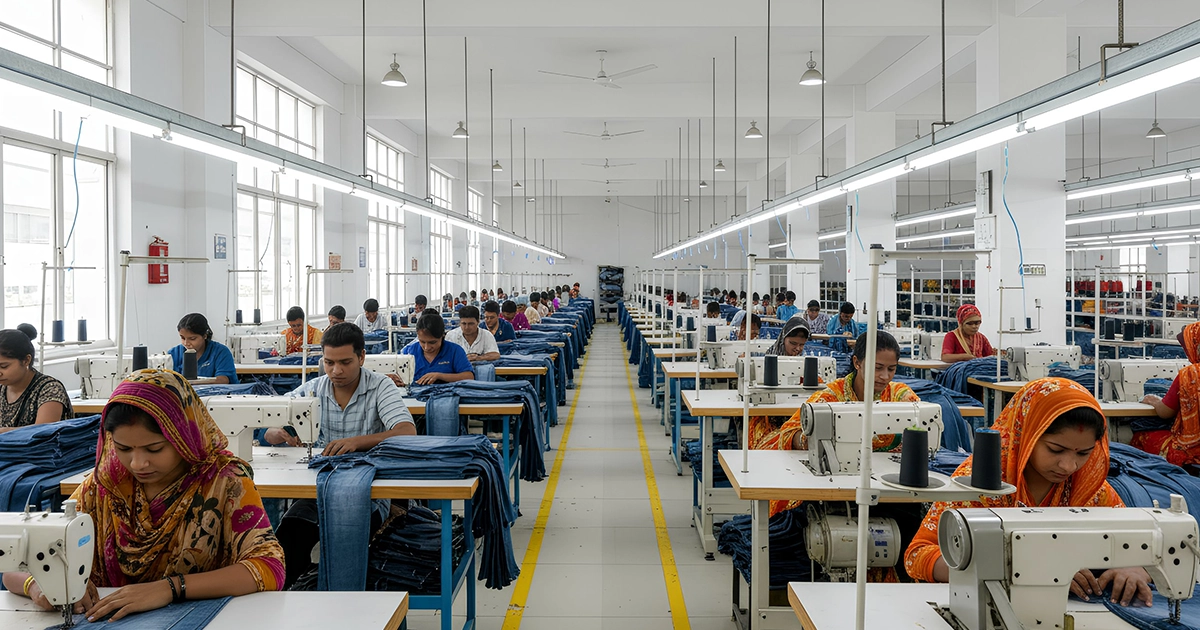
Production planning, line setup and process control ensure consistency across volume. Without structured oversight, variations quickly emerge.
Local Supervision During Development
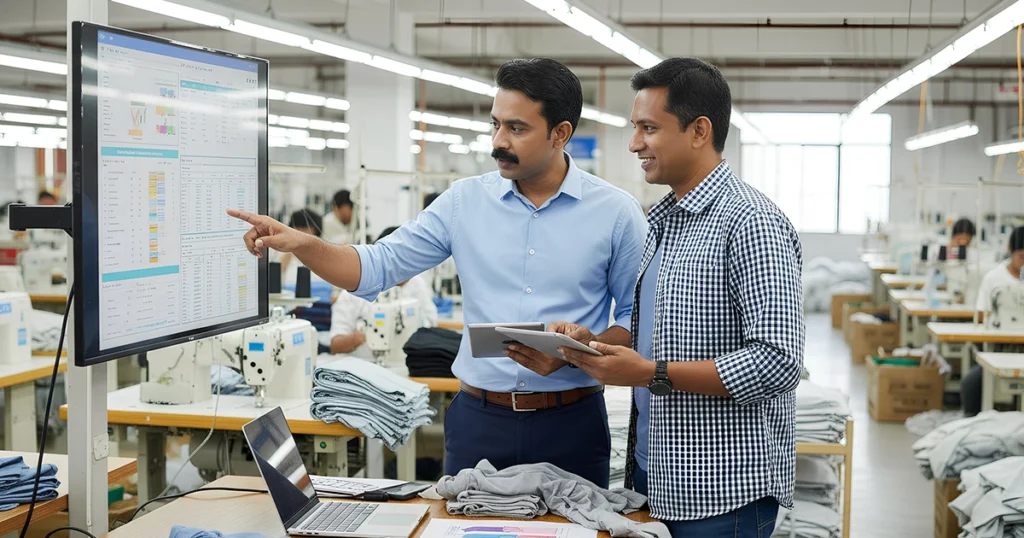
Development cannot be managed remotely. On-site supervision enables faster corrections, clearer communication and real-time decision-making.
Local teams ensure that development outcomes align with production capabilities, reducing delays and rework.
Conclusion
Garment development is the foundation of successful production. For European fashion brands producing in Asia, controlling this phase is essential to ensure quality, consistency and cost efficiency.
When development is treated as a structured process rather than a preliminary step, brands gain predictability and reduce risk throughout the entire production cycle.