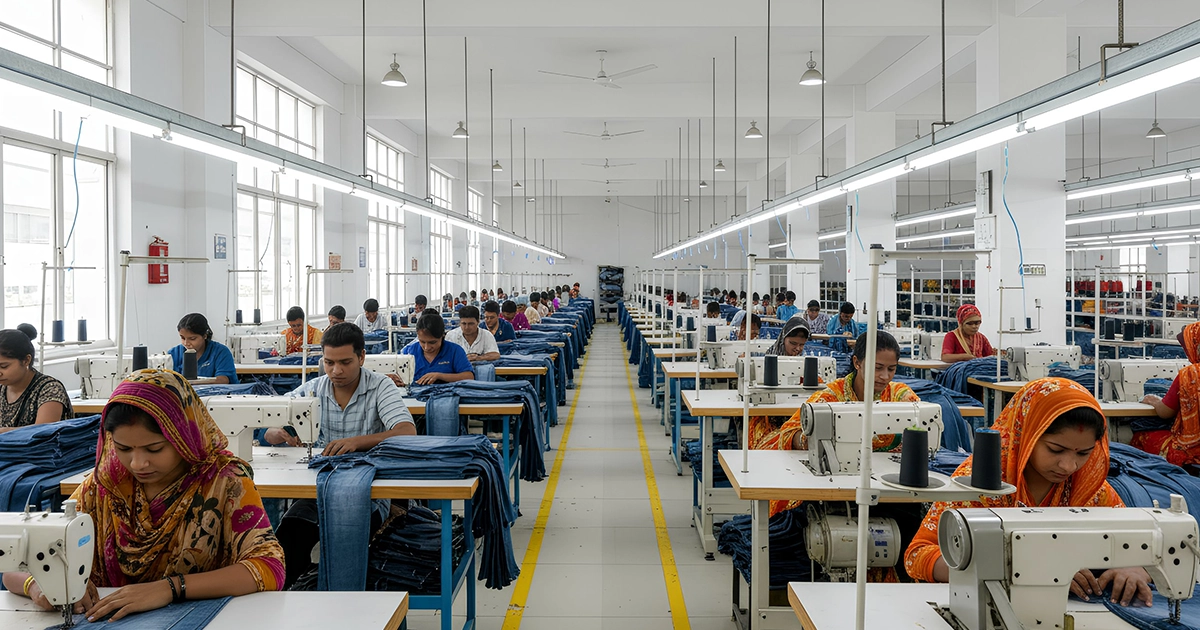
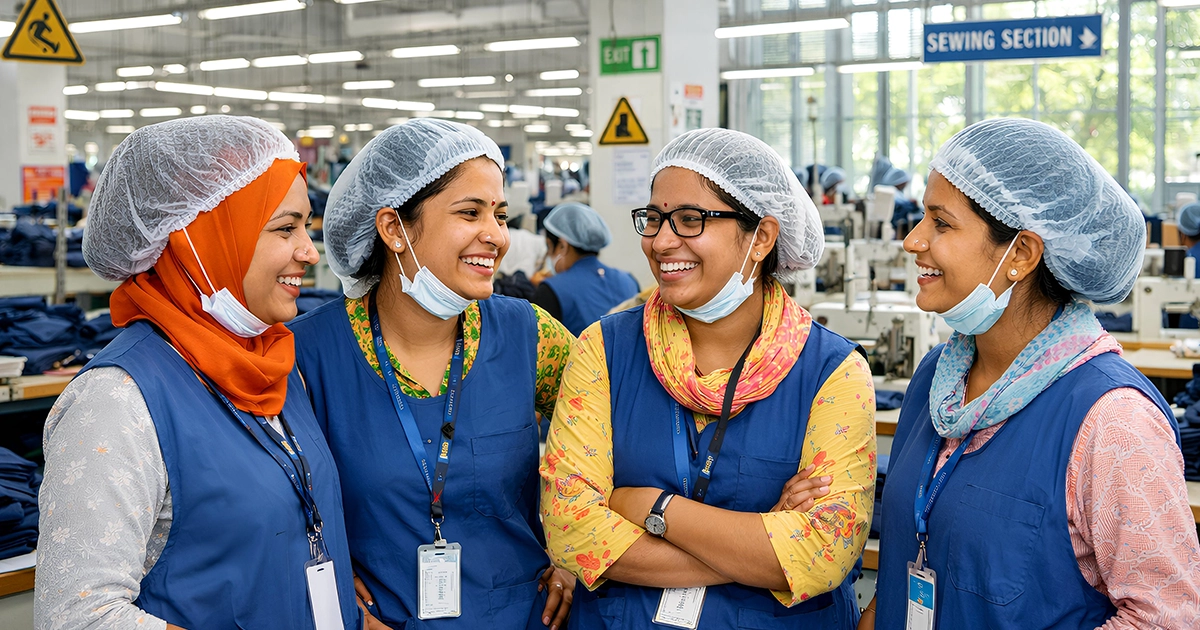
For European fashion brands, apparel production has evolved into a highly complex operational challenge. Shorter lead times, increasing compliance requirements and globalized supply chains have transformed manufacturing into a strategic risk area rather than a simple sourcing decision.
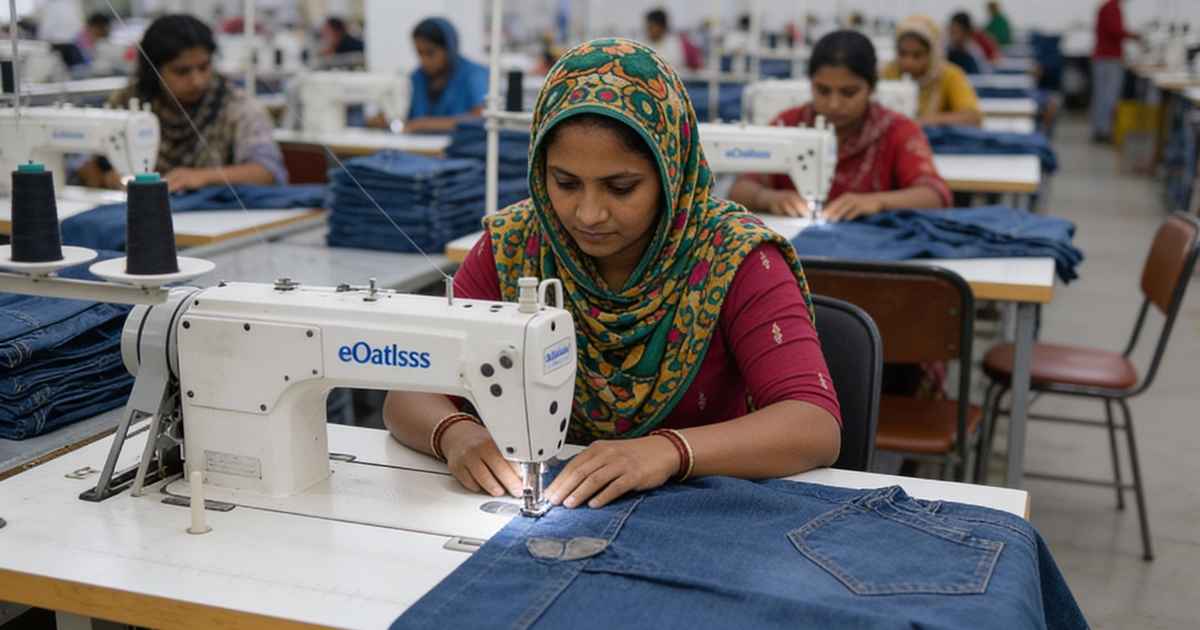
Bangladesh has become one of the world’s leading garment manufacturing hubs. However, producing at scale without local oversight often exposes brands to quality inconsistencies, communication gaps and compliance risks. Distance alone can turn minor production issues into costly disruptions.
In this context, the buying office model has emerged as a structural solution. More than a sourcing function, it provides brands with local control, process discipline and continuous supervision—aligning factory execution in Bangladesh with European production standards.
What a Buying Office Actually Does
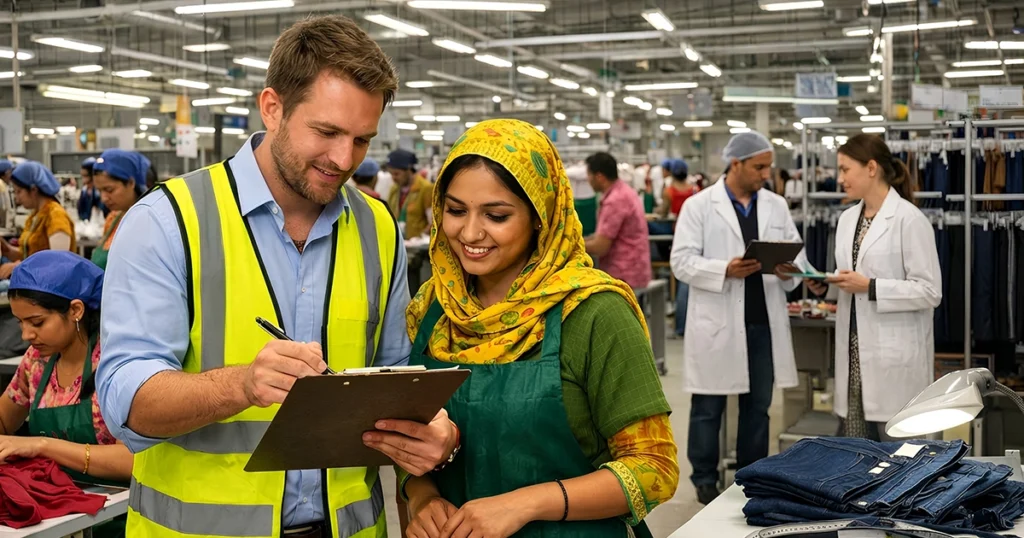
A buying office operates as an extension of a brand’s internal product and sourcing departments. Its role is not limited to factory introductions or price negotiation.
Instead, it coordinates the entire production ecosystem: translating technical documentation, aligning factories with design intent, supervising development stages and ensuring clear communication between all stakeholders involved in production.
By managing operations locally, a buying office enables faster decision-making, early issue detection and consistent execution throughout the production cycle.
Supplier Selection and Factory Coordination
Selecting the right factory is one of the most critical decisions in garment production. Not all factories are suitable for every product category, volume or brand positioning.
A buying office evaluates suppliers based on technical capabilities, compliance certifications, workforce specialization, capacity planning and historical performance. Once selected, it coordinates production calendars, allocates volumes responsibly and ensures factories operate within defined quality and ethical parameters.
Quality Control and Compliance Oversight
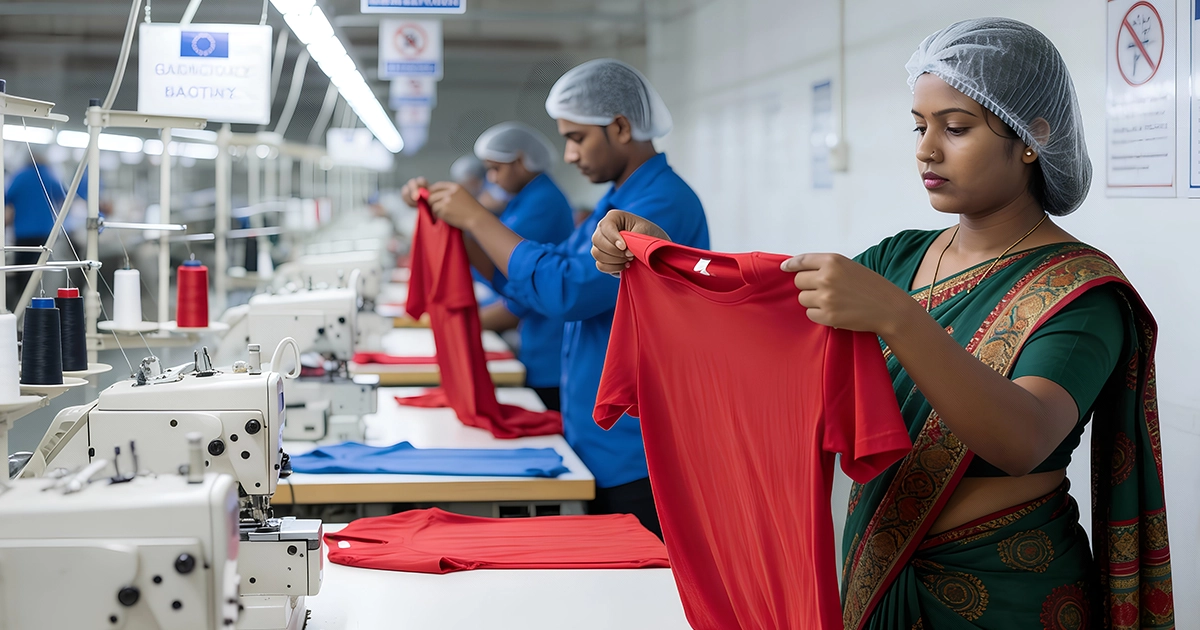
Quality and compliance are continuous processes, not final checkpoints. A buying office establishes quality control frameworks that cover every stage of production—from raw materials to final packing.
Local QC teams perform inline inspections, final inspections and compliance verifications aligned with European standards, including labor conditions, safety protocols and chemical management.
Reducing Risk Through Local Presence
Geographical distance remains one of the main risk factors in international production. Time zone differences, language barriers and cultural gaps can slow response times and complicate issue resolution.
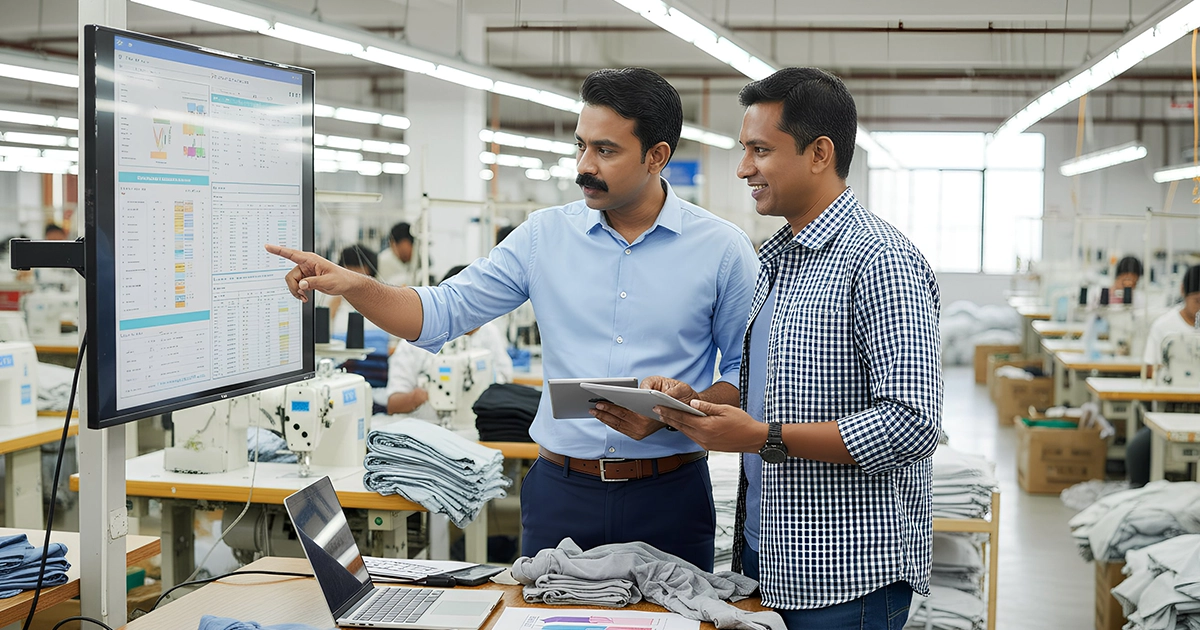
A buying office mitigates these risks by maintaining a permanent local presence, allowing immediate intervention, real-time reporting and transparent communication between factories and brand teams.
Conclusion
For European fashion brands producing in Bangladesh, the buying office model provides a structural response to modern manufacturing complexity. It introduces control into fragmented supply chains, transforms oversight into a continuous process and aligns local execution with European expectations.
Rather than acting as intermediaries, modern buying offices function as integrated control systems—connecting development, production, quality and compliance under a single operational framework.