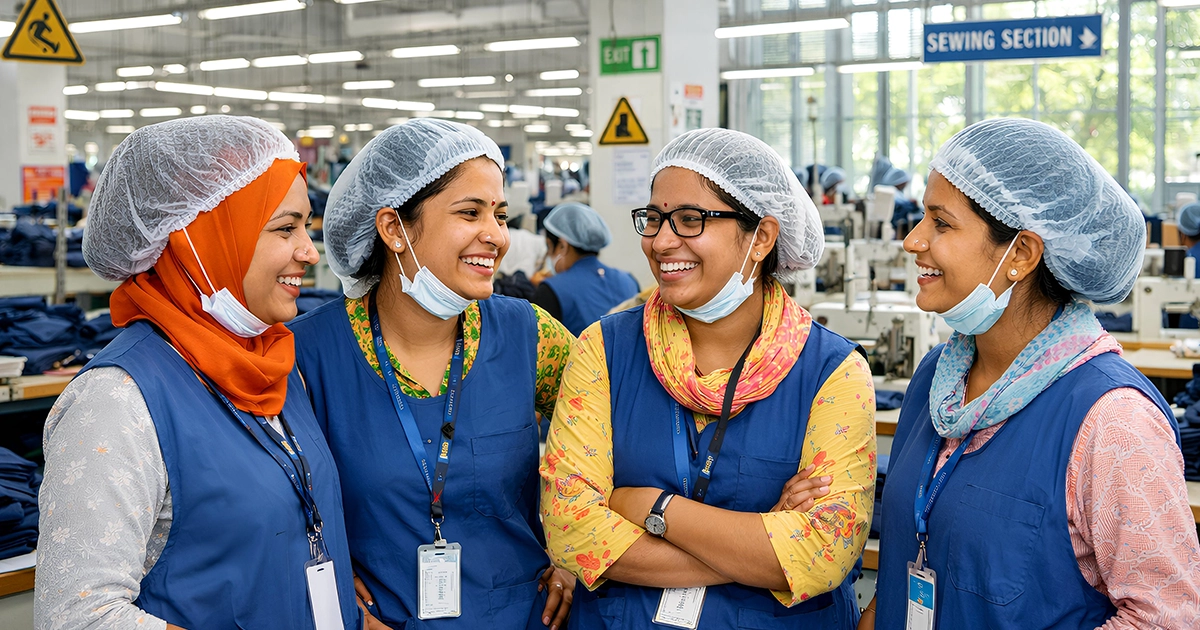
For many European fashion brands, producing in Asia is still surrounded by outdated assumptions. Low quality, weak compliance and limited control are often cited as inherent risks. In reality, Asian apparel manufacturing has evolved into one of the most advanced and structured production ecosystems in the world.
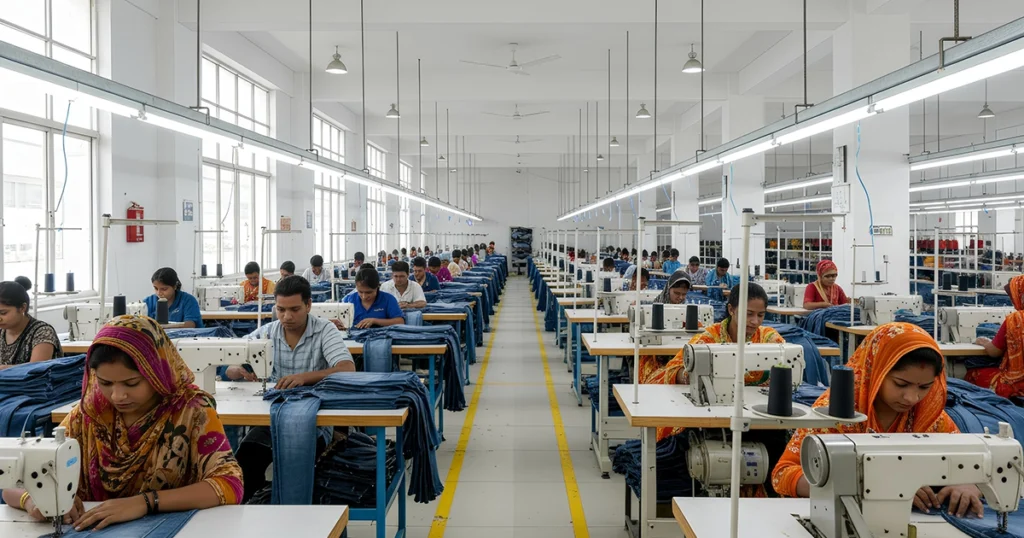
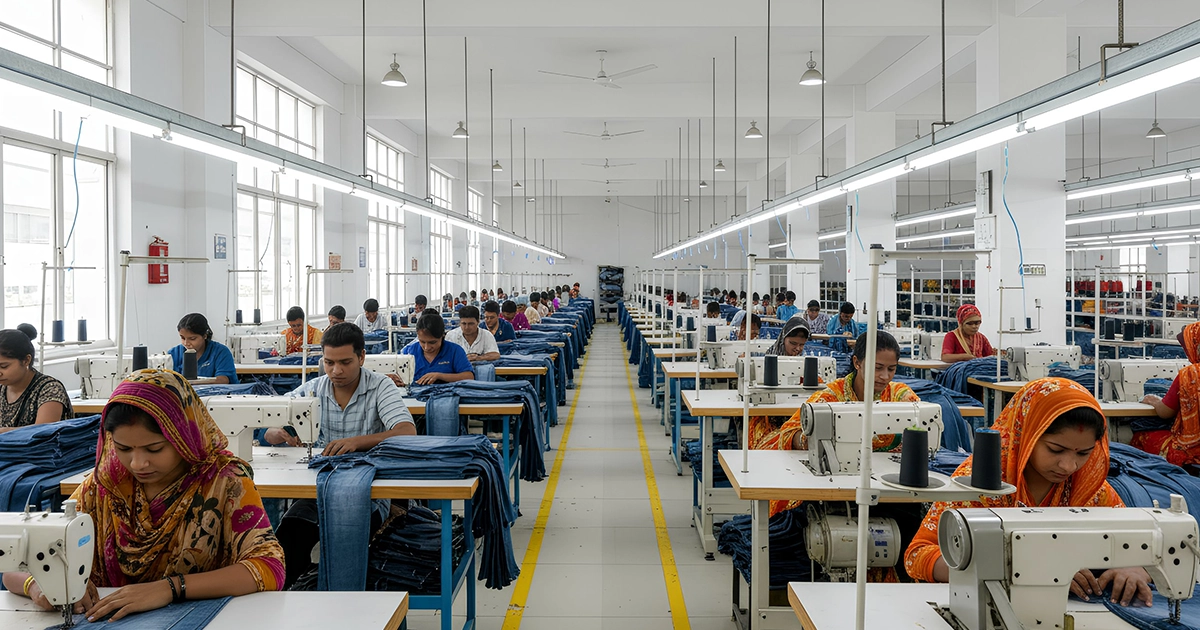
Countries such as Bangladesh, Vietnam and China host highly specialized factories, skilled workforces and large-scale production capacity. The real risk is not geography, but how production is structured, supervised and managed across distance.
Understanding the realities of production in Asia requires separating myths from facts and focusing on processes, governance and operational control.
The Evolution of Apparel Manufacturing in Asia
Over the past two decades, Asian garment manufacturing has undergone significant transformation. Investments in technology, infrastructure and training have elevated production standards and operational efficiency.
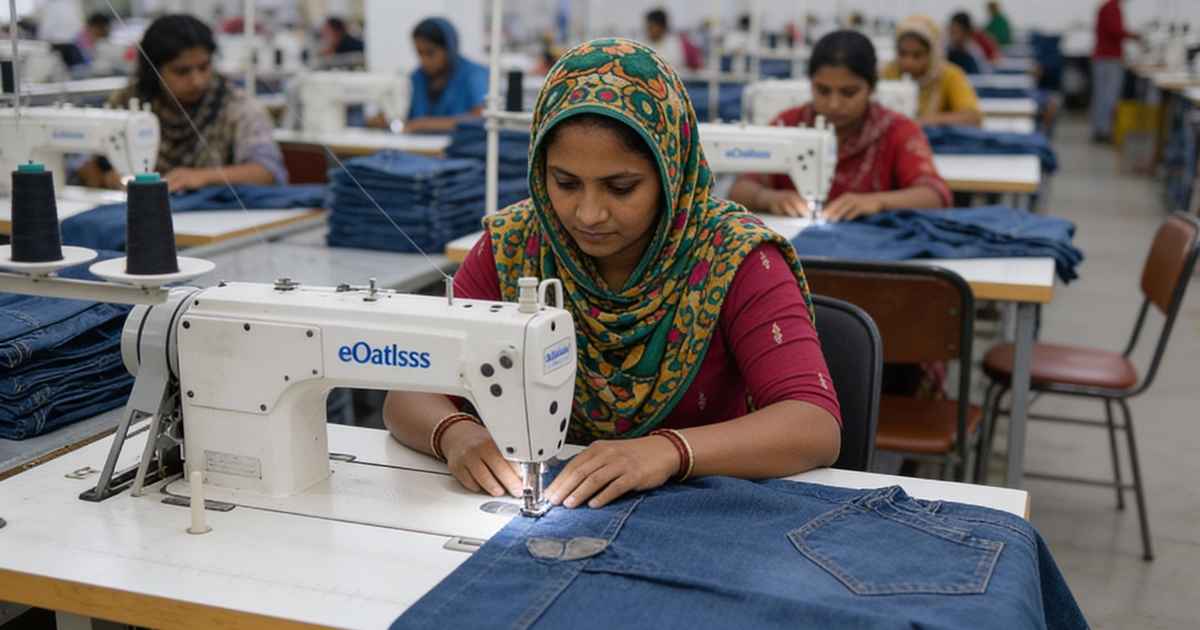
Modern factories operate with advanced machinery, digital production planning and structured quality control systems, allowing consistent output at scale.
Why Production in Asia Requires Structure
Asia offers scale, speed and cost advantages, but without structure these benefits quickly turn into operational risk. Fragmented workflows, unclear responsibilities and remote decision-making increase the likelihood of delays and quality issues.
Structured production models introduce accountability, clarity and repeatable processes that transform capacity into reliability.
Compliance, Transparency and Accountability
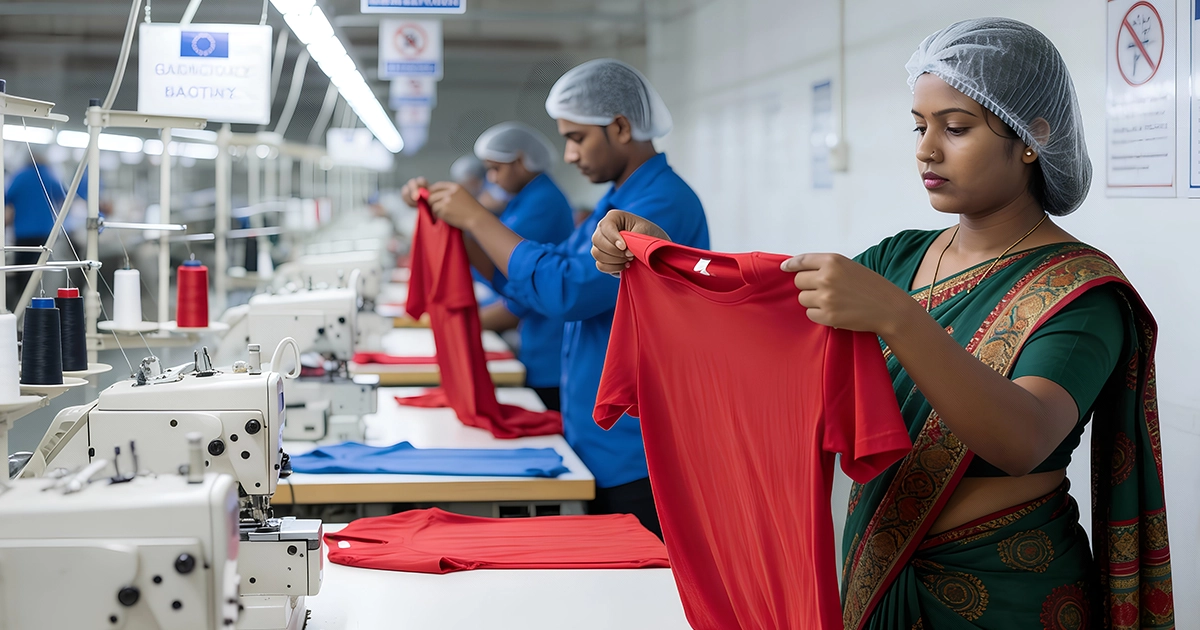
Compliance standards in Asia have become increasingly rigorous, particularly for brands serving European markets. Labor regulations, safety requirements and chemical management protocols are now essential production criteria.
However, compliance cannot be assumed. Continuous verification, documentation review and on-site monitoring are required to ensure transparency and accountability.
The Role of Local Oversight
Distance remains the main operational challenge in Asian production. Time zones, language and cultural differences can delay responses and obscure issues.
Local oversight bridges this gap, enabling real-time supervision, early intervention and consistent alignment between brand expectations and factory execution.
Conclusion
Production in Asia is neither a shortcut nor an inherent risk. It is a powerful manufacturing opportunity that demands structure, discipline and continuous oversight.
For European fashion brands, success depends not on avoiding Asia, but on understanding how to manage it correctly through structured processes, compliance systems and local supervision.